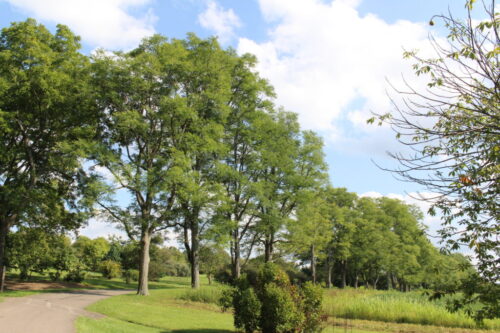
• American Beech is a native shade tree. It is a low-branched tree with smooth bark that resembles an elephant’s skin. The leaves turn golden bronze in the fall and stay on the tree all winter. The fruit ripen in the fall and are edible.
    HEIGHT: 50′ WIDTH: 50′ EXPOSURE: Full sun to partial shade FALL COLOR: Bronze
    Photos by Scott Beuerlein
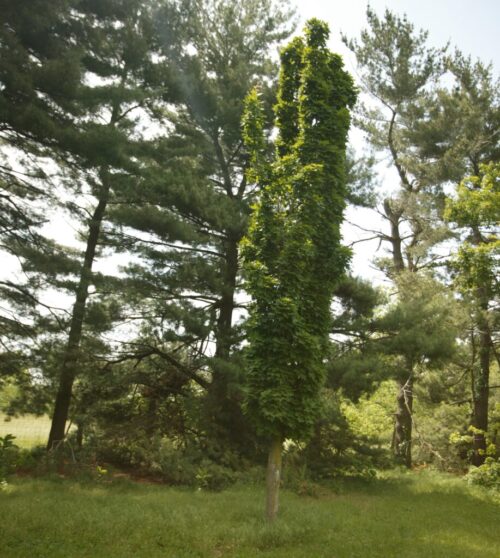
  • The Apollo Maple is a native shade tree. It is a tightly branched sugar maple with a dwarf growth habit, growing tall and narrow. The leaves turn shades of yellow, orange, and red in the fall.
    HEIGHT: 30′ WIDTH: 10′ EXPOSURE: Full sun to part shade FALL COLOR: Yellow-orange to red
    Photos by Scott Beuerlein
  • Autumn Gold Ginkgo is a shade tree and the only surviving member of a group of ancient plants dating back to 150 million years ago. It is an all-male cultivar of the ginkgo tree. The leaves are fan shaped with a bright yellow fall color.
    HEIGHT: 40′ WIDTH: 30′ EXPOSURE: Full sun FALL COLOR: Yellow
    Photos by Scott Beuerlein
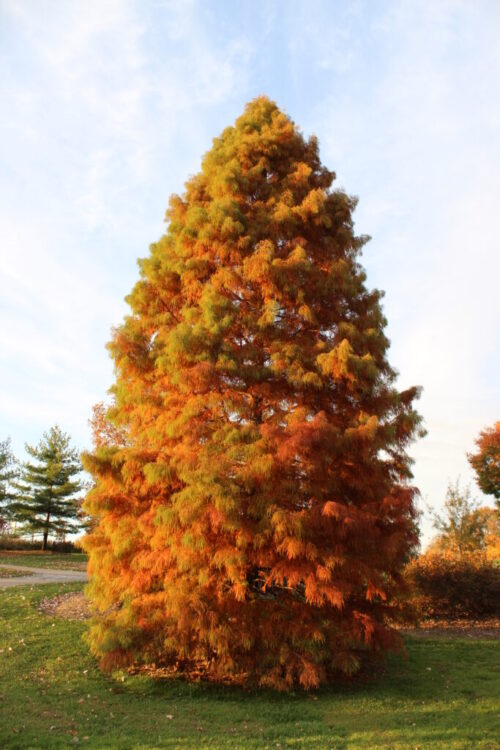
  • Bald Cypress is a deciduous conifer, shade tree. The leaves are soft, bright green needles that turn rusty-brown in the fall. When grown near water, the Bald Cypress can produce ‘knees.’ This occurs when woody growths are pushed above the ground or water.
    HEIGHT: 50′ WIDTH: 20′ EXPOSURE: Full sun
    Photos by Scott Beuerlein
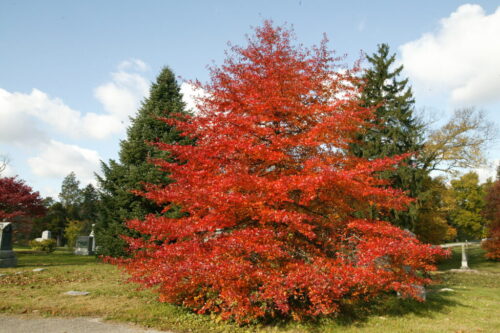
  • Black Gum is a native shade tree. The leaves are dark green and glossy with a bright red fall foliage. It handles wet soils well. The flowers on female trees are excellent for pollinators. The fruit produced on female trees attracts birds.
    HEIGHT: 40′ WIDTH: 30′ EXPOSURE: Full sun to partial shade FALL COLOR: Red
    Photos by Scott Beuerlein
  • Black Maple is a native shade tree. It is similar to a Sugar Maple. It has droopy, three-lobed leaves that turn yellow in the fall. It has dark gray and deeply furrowed bark. HEIGHT: 60′ WIDTH: 40′ EXPOSURE: Full sun to partial shade FALL COLOR: Yellow Photos by Scott Beuerlein
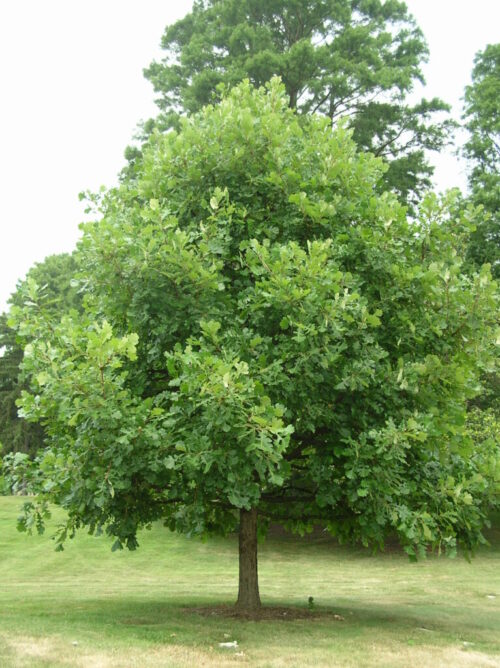
  • Bur Oak is a native shade tree. The leaves are dark green and have rounded lobes. The tree produces large, frilled acorns which are enjoyed by wildlife. It is a good native tree for large areas.
    HEIGHT: 60′ WIDTH: 60′ EXPOSURE: Full sun FALL COLOR: Yellow-brown
    Photos by Scott Beuerlein
  • Cucumber Magnolia is a native shade tree, native to North America. It produces fragrant, pale green to yellow flowers and seed pods containing bright red seeds. This magnolia has brighter and more beautiful fall color than most deciduous magnolias (yellow).
    HEIGHT: 40′ WIDTH: 20′ EXPOSURE: Full sun to partial shade FALL COLOR: Yellow FLOWER COLOR: Yellow to green BLOOM TIME: April-May
    Photos by Scott Beuerlein
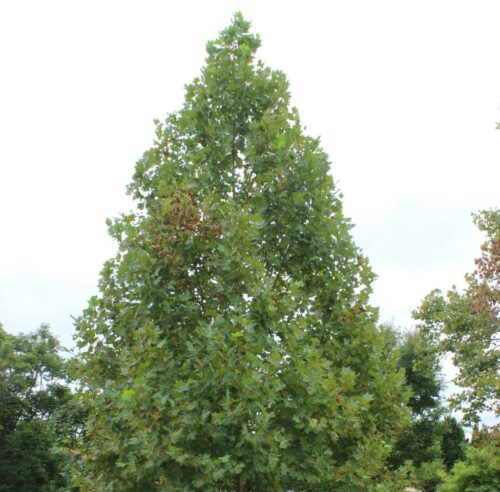
  • Exclamation Planetree is a shade tree very uniform tree with a pyramidal growth habit. The leaves are large with coarse teeth. The brown bark peels to reveal white and tan bark underneath. It is tolerant of urban conditions and grows quickly.
    HEIGHT: 50′ WIDTH: 40′ EXPOSURE: Full sun to partial shade
    Photos by Scott Beuerlein
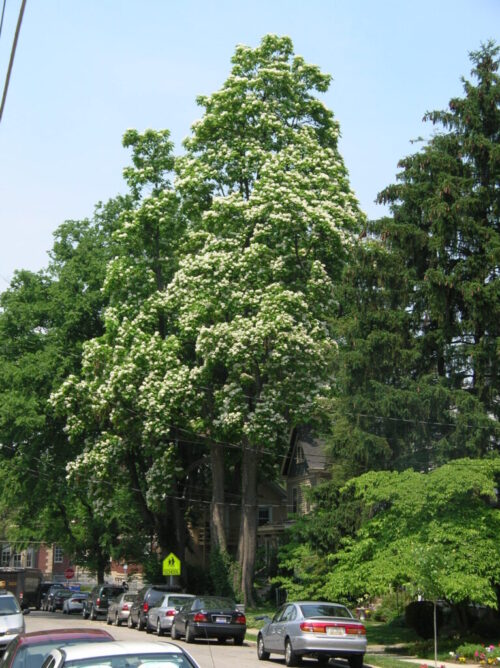
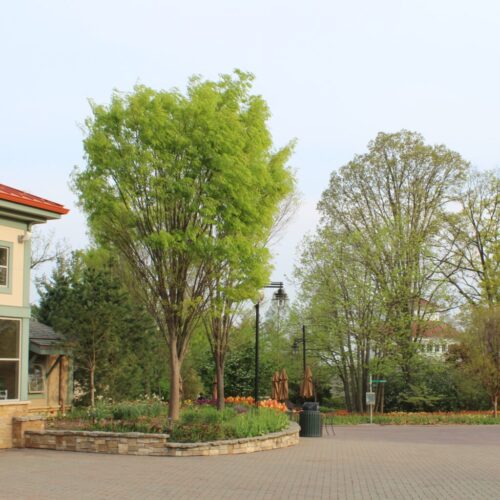
  • Green Vase Zelkova is shade tree. It has an upright and narrow branching habit makes this zelkova an appropriate street or parking lot tree. In the fall, the leaves change from yellow to orange to red.
    HEIGHT: 60′ WIDTH: 40′ EXPOSURE: Full sun FALL COLOR: Yellow-orange to red-brown
    Photos by Scott Beuerlein
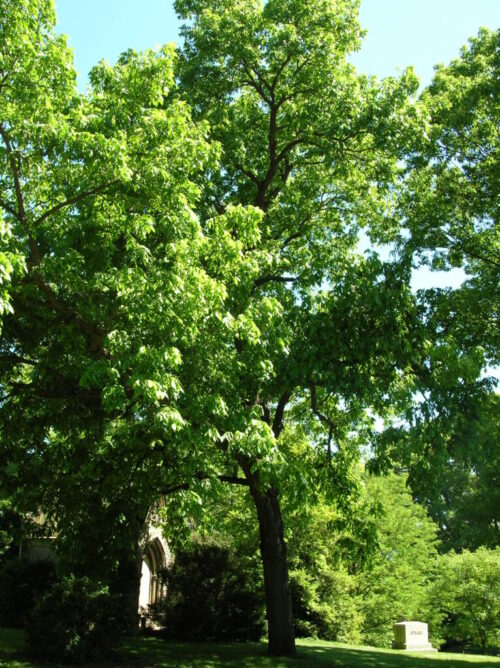
  • The Hardy Rubber tree is a shade trees with attractive glossy green foliage. It is resistant to disease and pests. The sap of the tree can be used to produce rubber. When the glossy dark green leaves are torn, a stringy latex can be seen.
    HEIGHT: 40′ WIDTH: 30′ EXPOSURE: Full sun to partial shade
    Photos by Scott Beuerlein
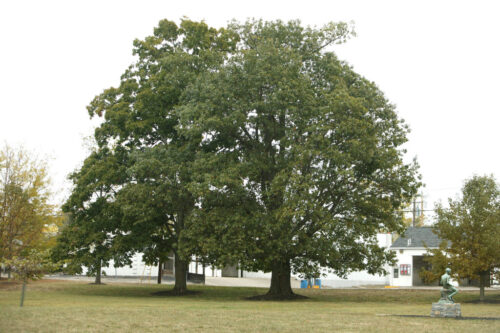
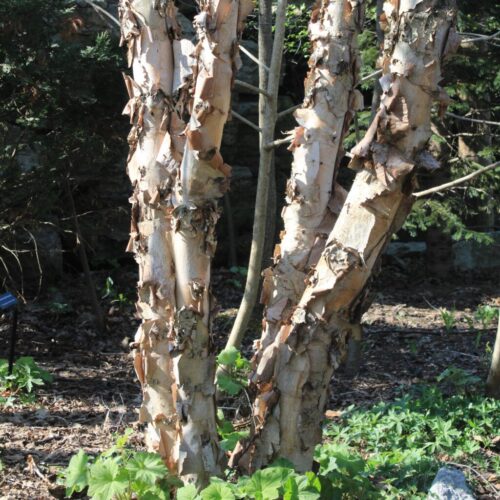
  • Heritage River Birch is a native shade tree. It grows to become a large tree with tan, brown, and cream colored, peeling bark. The leaves turn yellow in the fall. It is resistant to Bronze Birch Borer.
    HEIGHT: 40′ WIDTH: 40′ EXPOSURE: Full sun to partial shade FALL COLOR: Yellow
    Photos by Scott Beuerlein
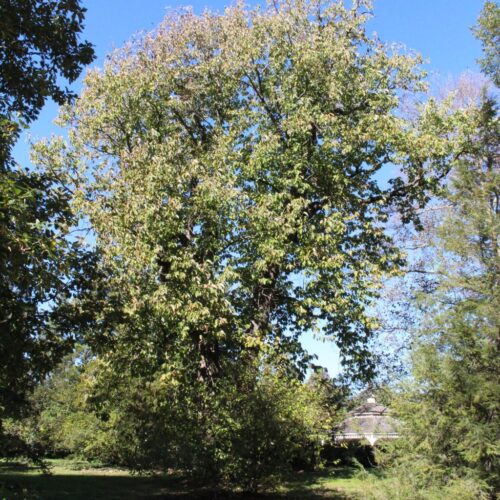
  • Kentucky Coffeetree is a native shade tree. It is a coarse tree with rough bark. It has large bipinnately compound leaves and large seed pods containing seeds that look similar to coffee beans.
    HEIGHT: 60′ WIDTH: 40′ EXPOSURE: Full sun FALL COLOR: Yellow
    Photos by Scott Beuerlein
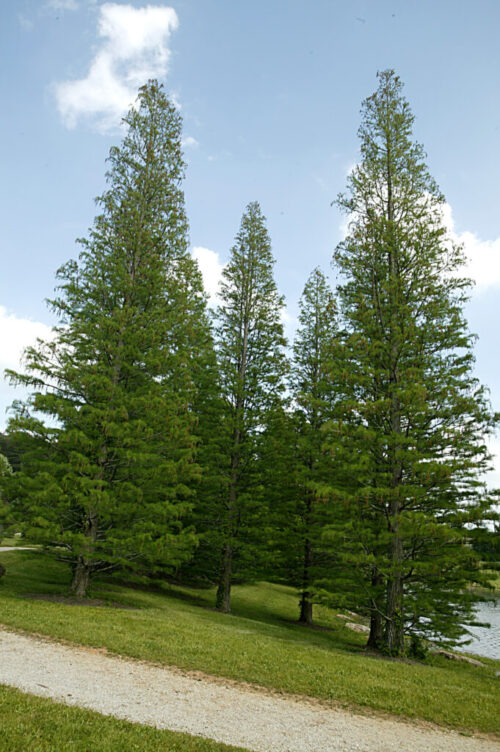
  • Northern Catalpa is a large native shade tree. It is a large shade tree with large, heart-shaped, fuzzy leaves. The white flowers bloom in late spring and have purple and yellow centers. The fruits are long and cigar shaped.
    HEIGHT: 50′ WIDTH: 30′ EXPOSURE: Full sun to partial shade FALL COLOR: Yellow FLOWER COLOR: White with purple and yellow center BLOOM TIME: May-June
    Photos by Scott Beuerlein
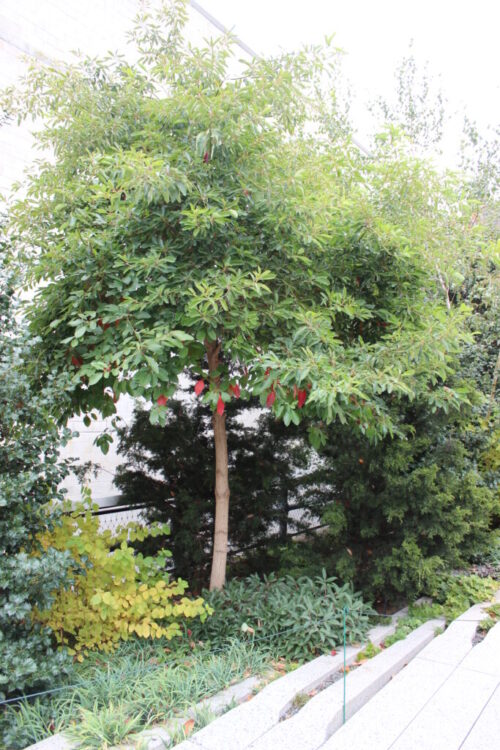
  • Northern Pecan is a native shade tree. It is the largest tree in the hickory family. The leaves are large and pinnately compound with a yellow-brown fall color. The fruits are edible nuts that appear in the fall in clusters.
    HEIGHT: 75′ WIDTH: 40′ EXPOSURE: Full sun to partial shade FALL COLOR: Yellow
    Photos by Scott Beuerlein
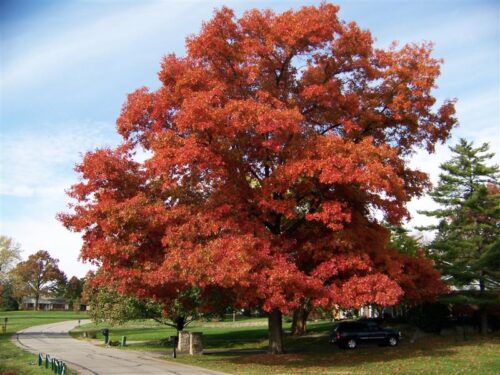
  • Northern Red Oak is a native shade tree. The leaves emerge a pinkish-red in the spring and the change to a dark green in the summer. By autumn, the leaves turn a deep russet red color. The tree produces acorns that are enjoyed by wildlife. It is a good native tree for large areas.
    HEIGHT: 50′ WIDTH: 50′ EXPOSURE: Full sun FALL COLOR: Red-brown
    Photos by Scott Beuerlein
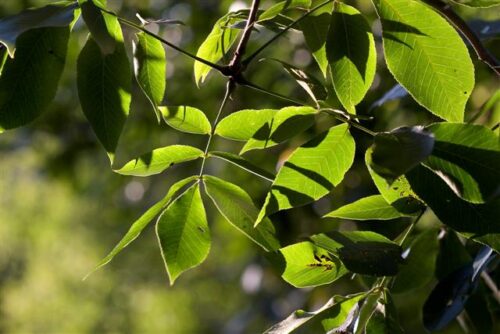
  • Persimmon is a native shade tree. These trees can be male or female. The female trees produce a small orange fruit that is edible after the first frost. The leaves are dark green that turn from orange to red-purple in the fall. The bark of the mature tree is dark gray and blocky.
    HEIGHT: 40′ WIDTH: 30′ EXPOSURE: Full sun to partial shade FALL COLOR: Orange-maroon
    Photos by Scott Beuerlein
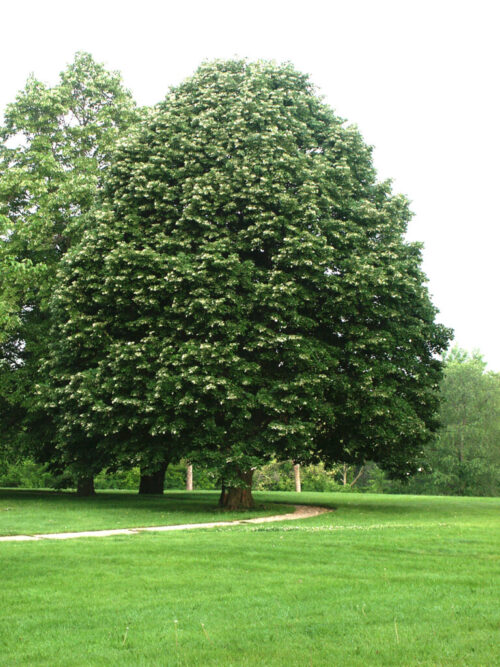
  • Pond Cypress is a deciduous conifer, shade tree. The leaves are bright green with a feathery appearance. When grown near water, Pond Cypress can produce ‘knees’. This occurs when woody growths are pushed above the ground or water.
    HEIGHT: 50′ WIDTH: 20′ EXPOSURE: Full sun to partial shade
    Photos by Scott Beuerlein
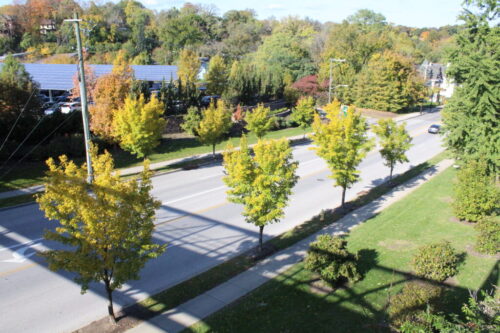
  • Sassafras is a native shade tree. The leaves are variable with three different forms; ovate, mitten, and with three lobes. The fall color consists of yellows, oranges, purples, and reds.
    HEIGHT: 40′ WIDTH: 30′ EXPOSURE: Full sun to partial shade FALL COLOR: Yellow, purple, and red
    Photos by Scott Beuerlein
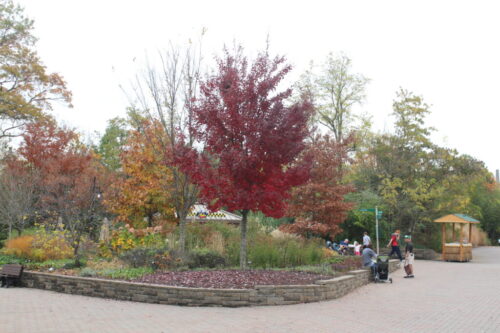
  • Scarlet Oak is a native shade tree. The leaves are glossy and have deeply cut lobes with points on the ends. The leaves in the fall are scarlet red and the tree produces acorns that are enjoyed by wildlife.
    HEIGHT: 50′ WIDTH: 40′ EXPOSURE: Full sun FALL COLOR: Red
    Photos by Scott Beuerlein
  • Shagbark Hickory is a native shade tree. As the tree ages, bark changes from smooth to exfoliating, large shaggy strips which gives it the name Shagbark Hickory. The leaves are large and pinnately compound with a yellow-brown fall color. The trees produces edible nuts that appear in the fall. HEIGHT: 70′ WIDTH: 50′ EXPOSURE: Full sun to partial shade FALL COLOR: Yellow-brown Photos by Scott Beuerlein
  • State Street Maple is a shade tree that has dark green leaves with a silver underside. It has pale green to yellow flowers in June that are attractive to bees and other pollinators. The fall color is pale green to yellow. HEIGHT: 50′ WIDTH: 30′ EXPOSURE: Full sun to partial shade FALL COLOR: Yellow FLOWER COLOR: Yellow BLOOM TIME: June Photos by Scott Beuerlein
  • State Street Maple is a shade tree that have leaves that are dark green and glossy. In the fall, the leaves display bright yellow color. The bark is corky, which prevents it from splitting as easily as smooth-barked maples. HEIGHT: 30′ WIDTH: 30′ EXPOSURE: Full sun to part shade FALL COLOR: Yellow Photos by Scott Beuerlein
  • Sun Valley Maple is a native shade tree. It’s flowers are red in early spring before red-tinged leaves emerge and the change to a deeper red in the fall season. It is tolerant of moist soils. HEIGHT: 30′ WIDTH: 20′ EXPOSURE: Full sun to part shade FALL COLOR: Red Photos by Scott Beuerlein
Go to Top